Why mixed media is not a luxury, but a necessity
Author
Monique van der Wal


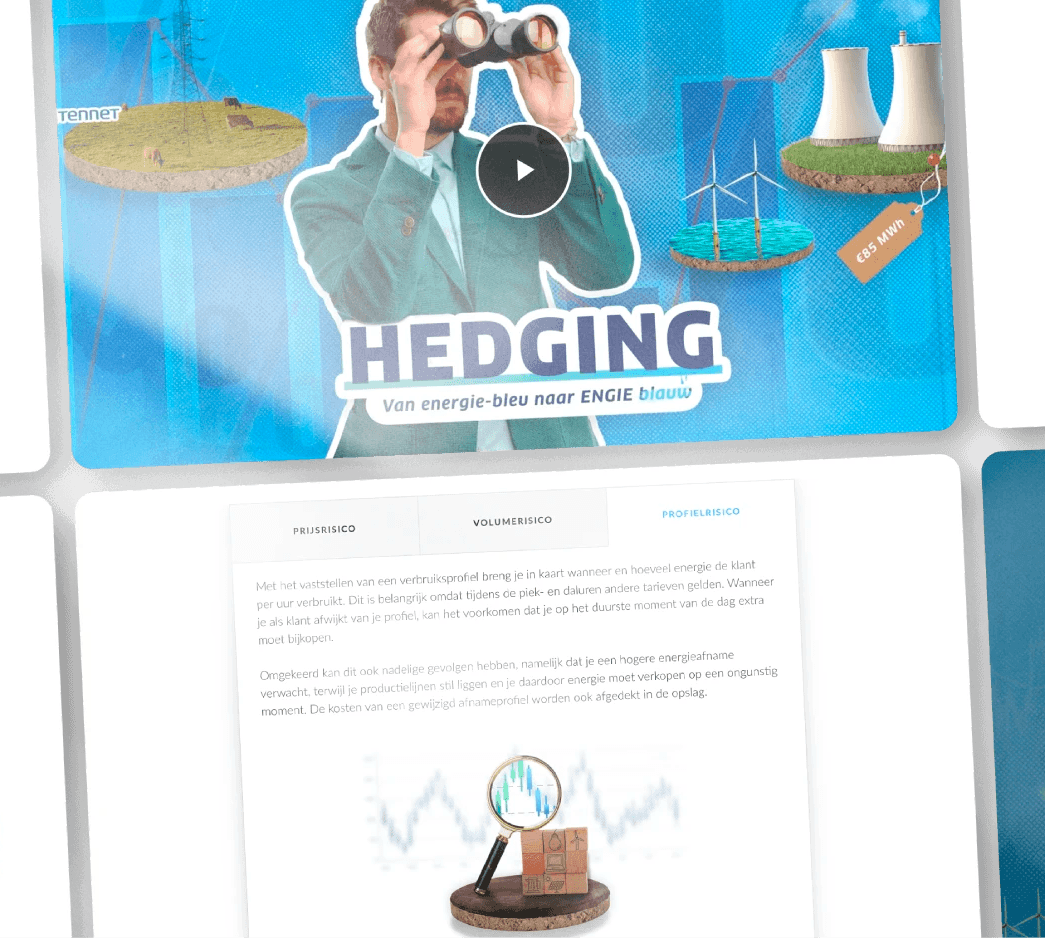
The Power of Diversity in Media
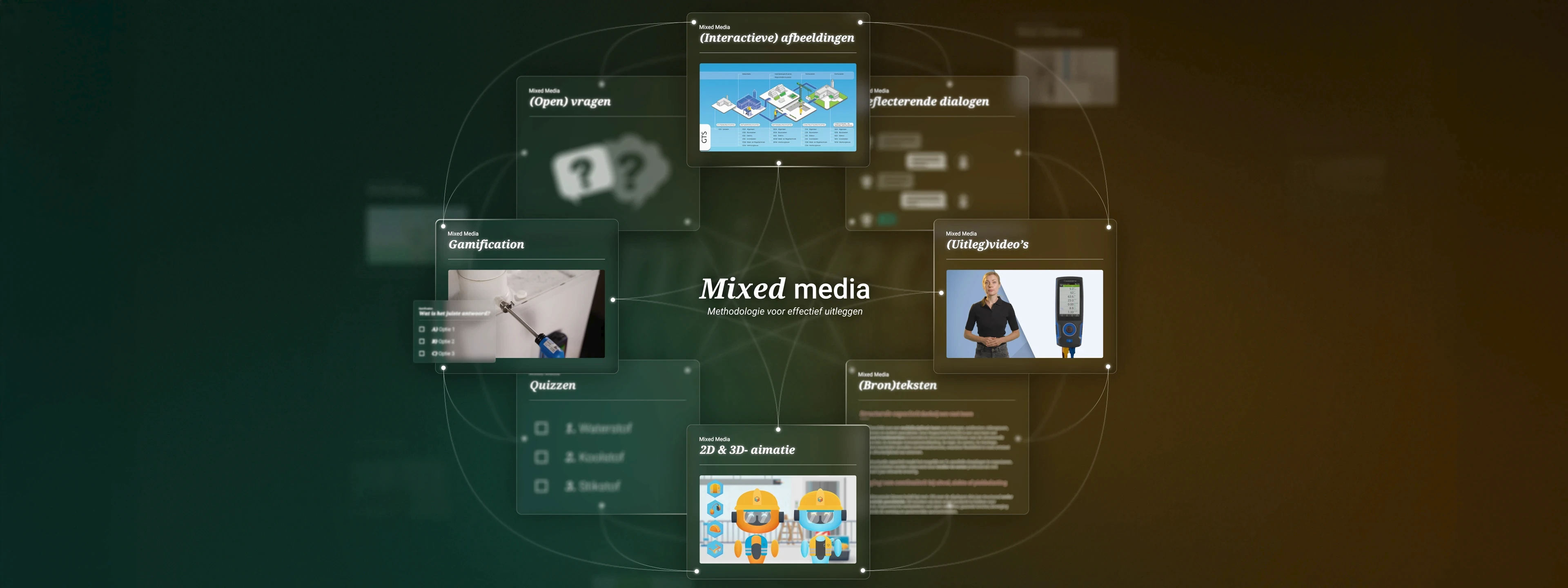
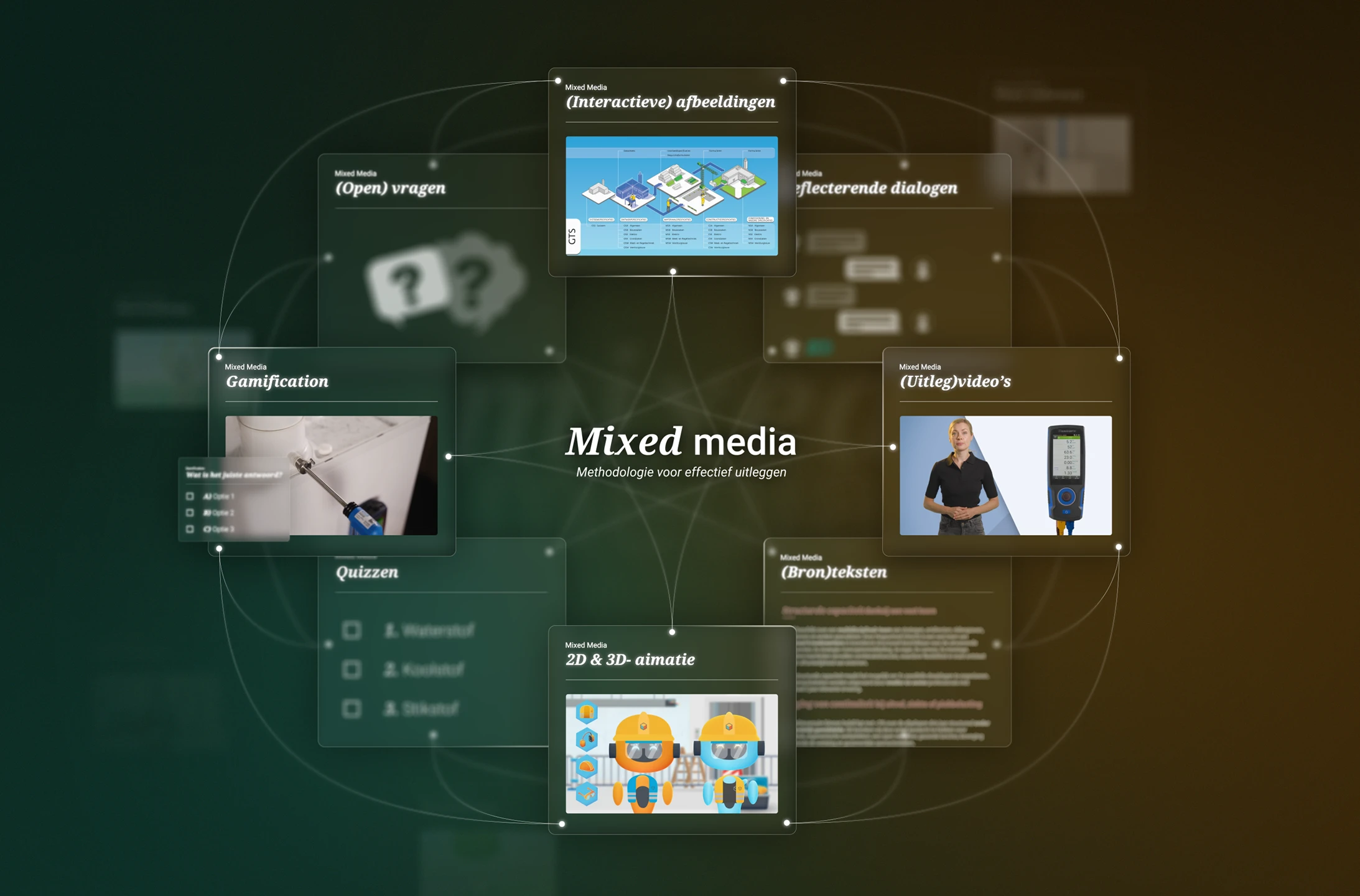
We can somewhat imagine that you are now thinking that mixed media is primarily a luxury. After all, it is about conveying the message, and how you do that should not matter much. We must disappoint you; for the human brain, it is indeed much better to present media in various ways.
Diverse education experts and psychologists, including Richard Mayer, endorse this in his Cognitive Theory of Multimedia Learning. Mayer argues that people learn more effectively from multimedia instruction (such as images and text) due to the combination of verbal and visual information that leads to integrated mental representations. The theory is based on the principles that information is processed through two channels (visual and verbal), and that working memory is limited, which forms the basis for his design principles to optimize learning, such as omitting extraneous information and applying signaling.
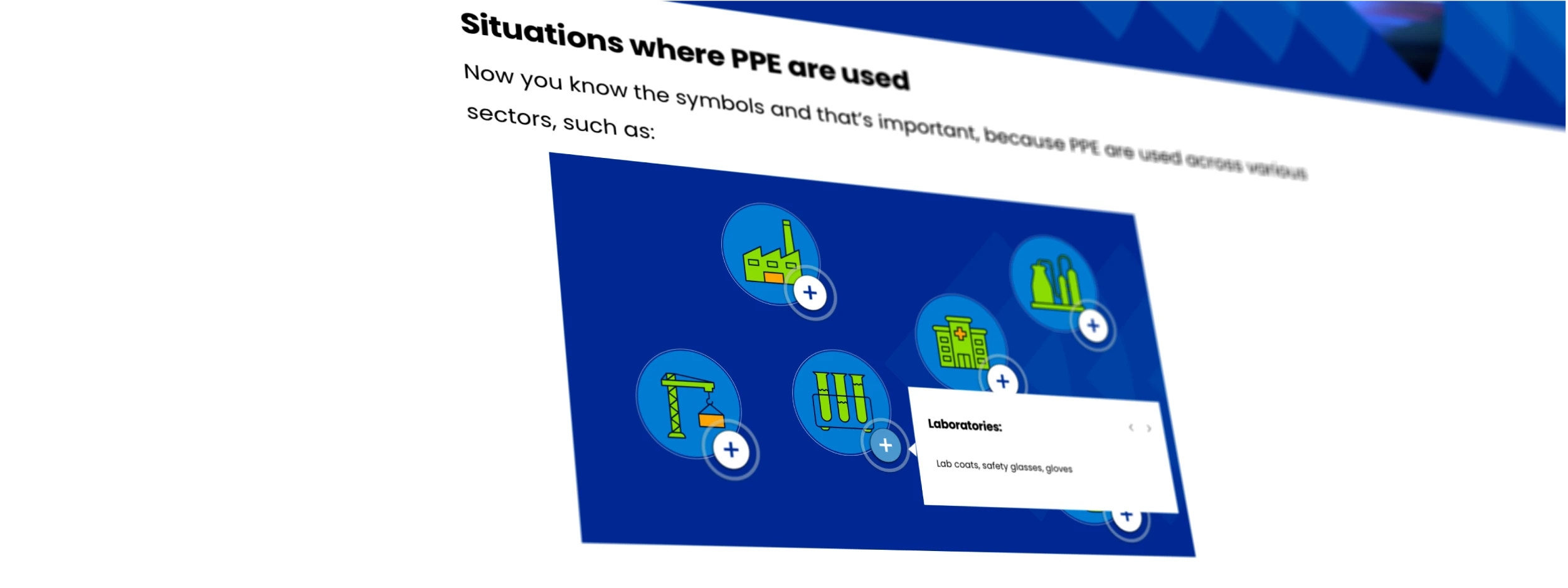
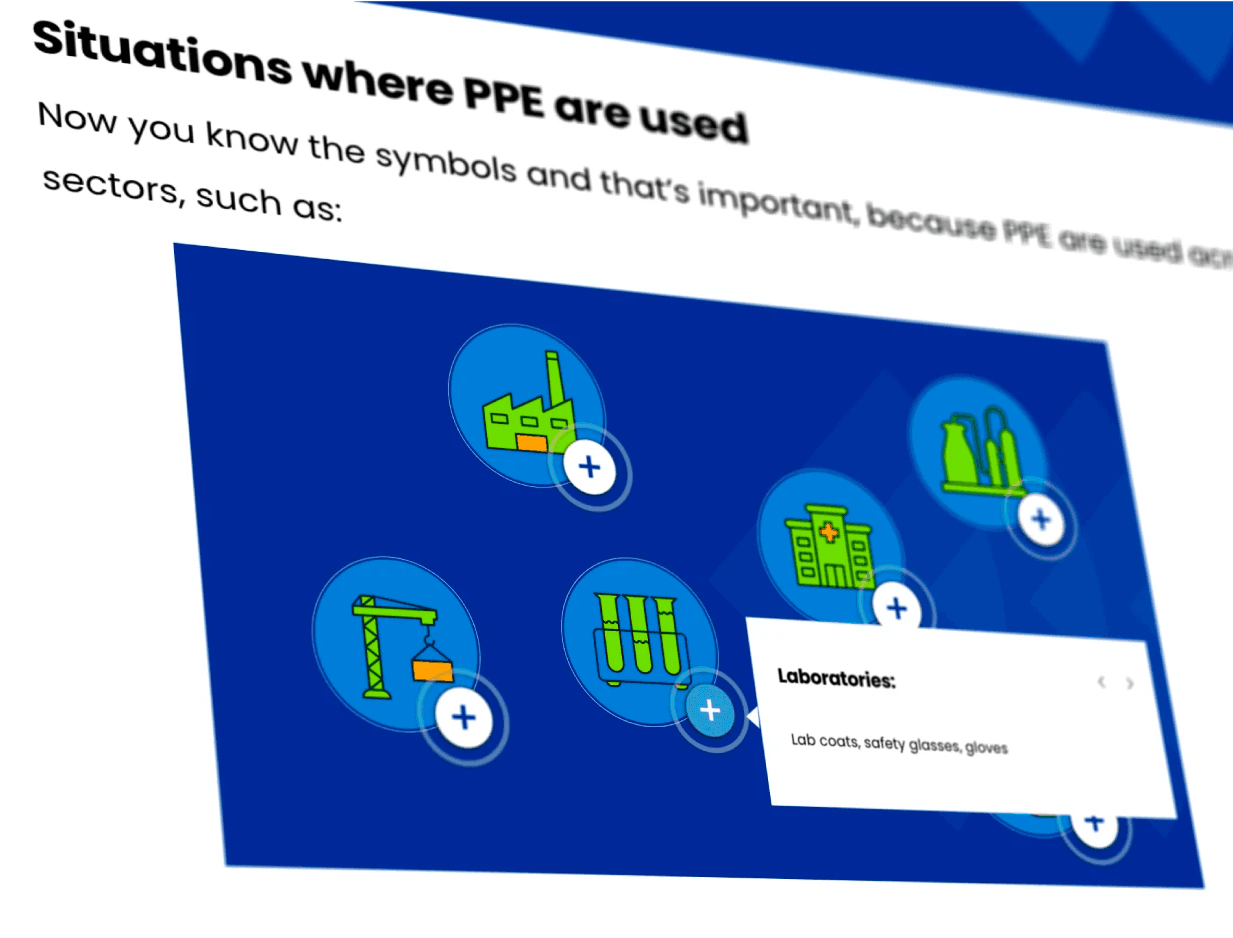
Examples of mixed media in e-learnings
Gamification can be a powerful element in an e-learning, provided it is implemented thoughtfully. Poorly applied gamification can backfire. This can lead to too much competition, causing users to drop out, or gamification that is used solely to make the e-learning visually appealing.
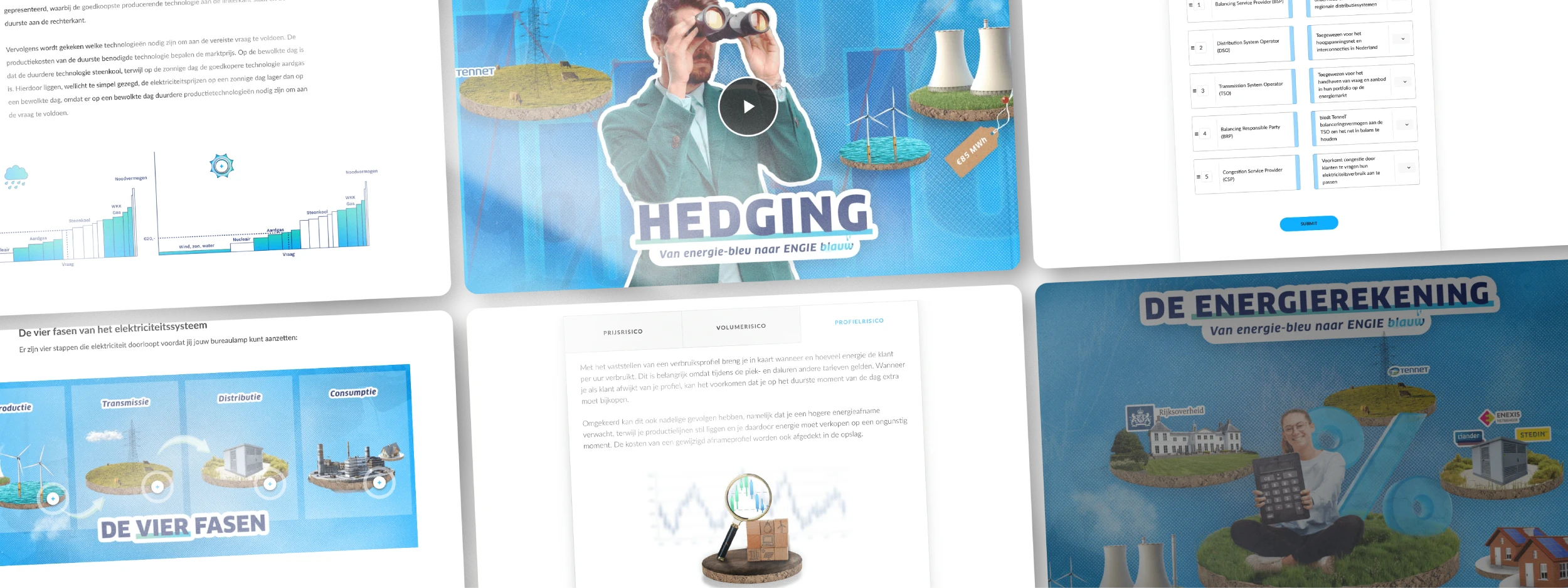
We have three concrete examples of mixed media in e-learnings. You might still think that mixed media certainly offers opportunities, but that there is a lot involved. With these examples, we demonstrate that it is quite manageable.
Onboarding with mixed-media videos
In an onboarding or training for new employees, colleagues explain the functioning of their workplace. These videos are supported by interactive questions about corporate values and of course texts and images.
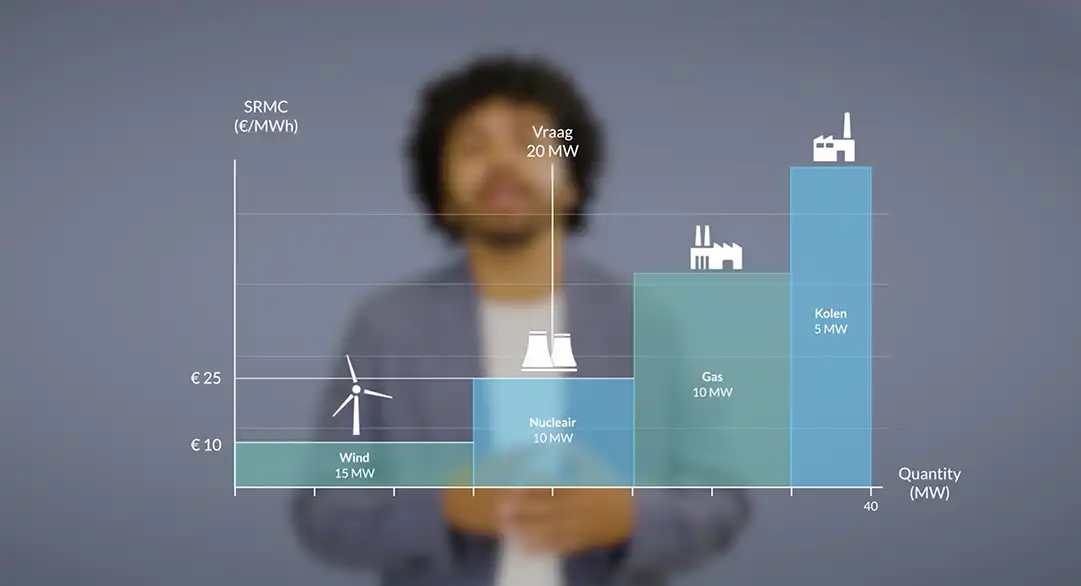
Technical training with animations and interactive videos
Technicians receive explanations about the operation of a boiler. Doing this through text is complicated. The combination of technical information, animations with step-by-step plans and simulations in which technicians must virtually solve problems works much better.
Safety training with storytelling
Here we take the safety regulations of a construction site as an example. These texts can be quite boring, but not if you transform them into captivating animations.