5 effective forms of visual content for e-learning modules
Author
Monique van der Wal



Date
December 15, 2025
Reading time
4 min.

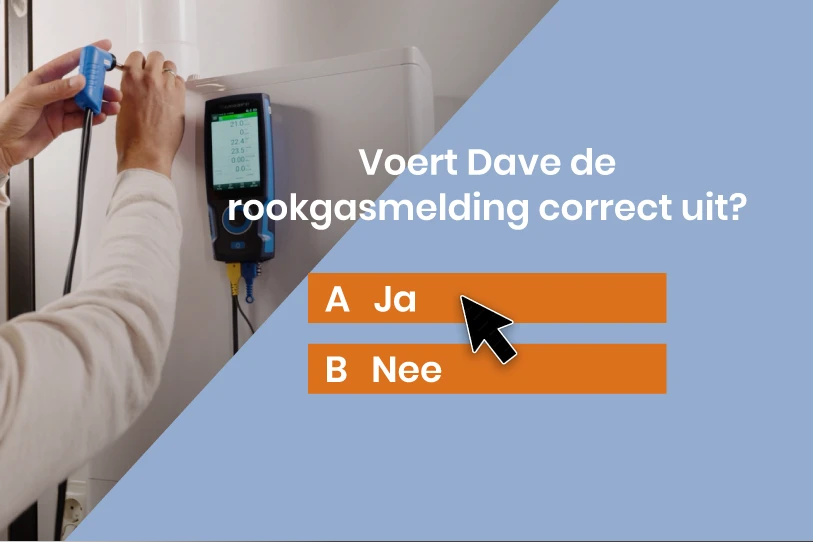


Gamification
Gamification is very popular, and that makes perfect sense. By applying game elements to learning material that has nothing to do with games, you create an attractive e-learning experience. E-learnings feature everything from a funny owl telling the story to a competition between participants. With gamification, you provide an excellent trigger to continue learning.
The goal of gamification is to make activities more attractive, motivating, and interactive. By rewarding learners for completing tasks, their engagement increases, and they become more motivated to continue.
A well-known example of gamification is the language app Duolingo. This app helps users learn languages by breaking lessons into small, playful tasks. Each completed lesson segment earns points, and users can level up, build streaks (daily sequences), and earn virtual prizes. There is also a competitive element with leaderboards, allowing users to challenge each other. All of this makes language study feel less like 'homework' and more like a fun game.
Duolingo is effective because it leverages reward and repetition. The app encourages daily use, provides immediate feedback, and tracks progress in a visually appealing way. This concept can be perfectly applied in e-learnings.
Heatmaps
A heatmap is a visual representation that shows how users behave on an online learning platform, such as e-learning. This probably sounds more complicated than it is. A heatmap displays colors like red, yellow, green, and blue. These colors indicate where learners click the most, how far they scroll, and where they hold their mouse the longest. Heatmaps promote interaction with the learner, layering, and provide depth for those who need it.
Heatmaps help not only the learners but also the developers of the e-learning. This gives us insight into the behavior of learners. If they largely skip certain passages, something is wrong and we can optimize the e-learning.
Infographics
A heatmap is an example of an infographic. Infographics combine text and images to display complex information in an organized and visually appealing manner. They are ideal for summarizing processes, statistics, or comparisons.
What might you think of with an infographic? For example, a picture that step-by-step explains how to safely start a machine or conduct a conversation with a customer. Each step is visually supported by an image and a short explanation, making the process clear and easy to remember.
A comparative infographic is another example. This is an image that shows the differences between two things, such as formal and informal communication. By using columns, colors, and icons, you can see at a glance how the two forms relate to each other.
An infographic is a simple way to make your e-learning visually appealing, clear, and effective.