How instructional videos contribute to fewer support inquiries
Author
Monique van der Wal
Date
October 20, 2025
Reading time
4 min.
Digital manuals and FAQ pages certainly have their value, but do they still fit the current society? Service and user support aim to help people quickly, clearly, and efficiently.
And let's be honest, if you have the choice between finding the right page in a lengthy manual or getting the answer right away in a short instructional video, it's simple: you choose the second option. Good instructional videos reduce the number of support questions and improve the quality of the interactions that do take place. In this blog, we discuss how instructional videos contribute to fewer support questions and how to create good videos.
Digital manuals and FAQ pages are certainly useful, but do they still fit with today’s society? Service and user support aim to help people quickly, clearly, and efficiently.
And let's be honest, if you have the choice between searching for the right page in an extensive manual or getting the answer right away in a short instruction video, it's simple: you choose the second option. Good instruction videos reduce the number of support inquiries and improve the quality of the interactions that do occur. In this blog, we explain how instruction videos contribute to fewer support inquiries and how to create good videos.

What is an instructional video exactly?
Before we begin, let’s pause at the term ‘instructional video’. This is a short, visual explanation about a topic, for example, how an action is performed, a problem is solved, or a functionality is used.
Here are concrete examples of instructional videos:
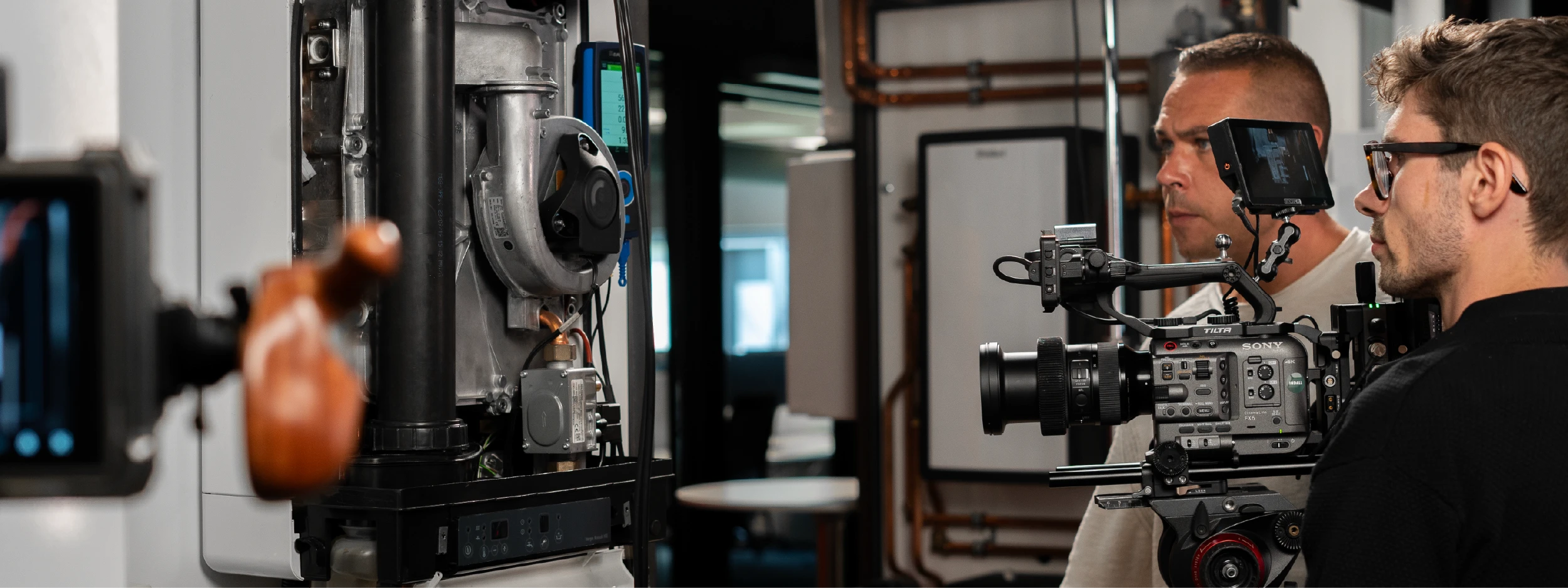
A video that shows how to install a carbon monoxide detector.
A screen recording that explains how to set up software.
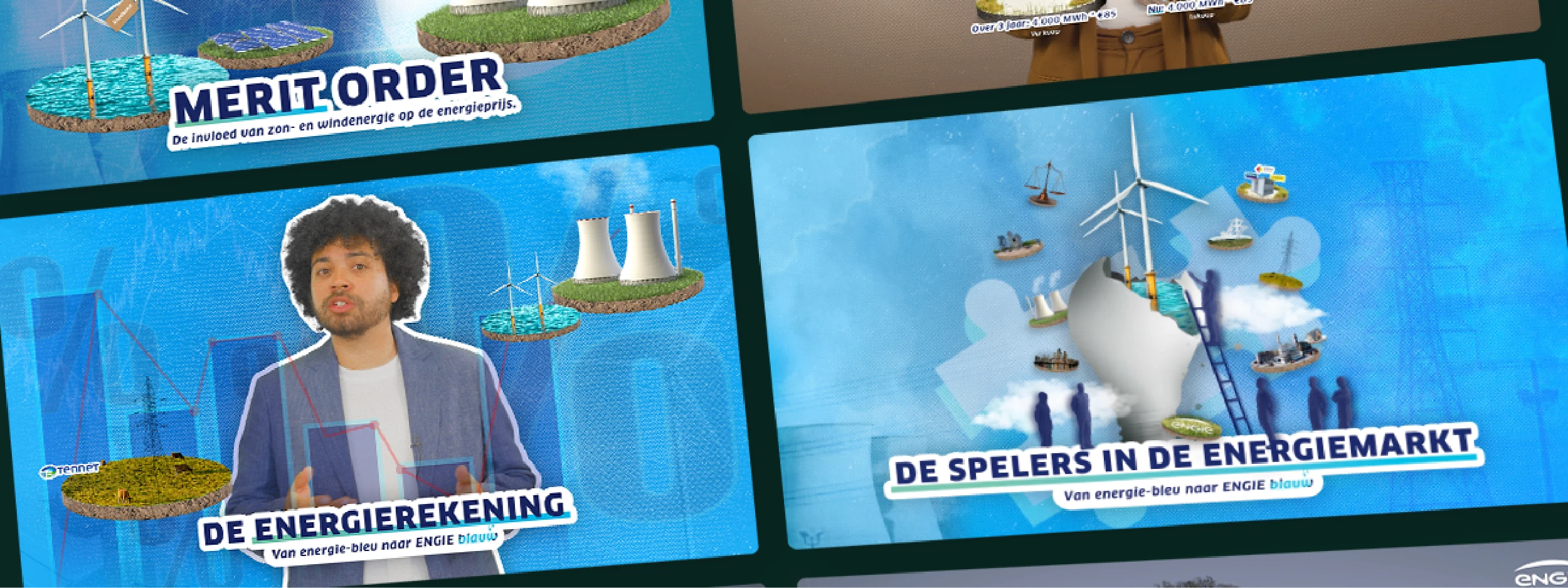
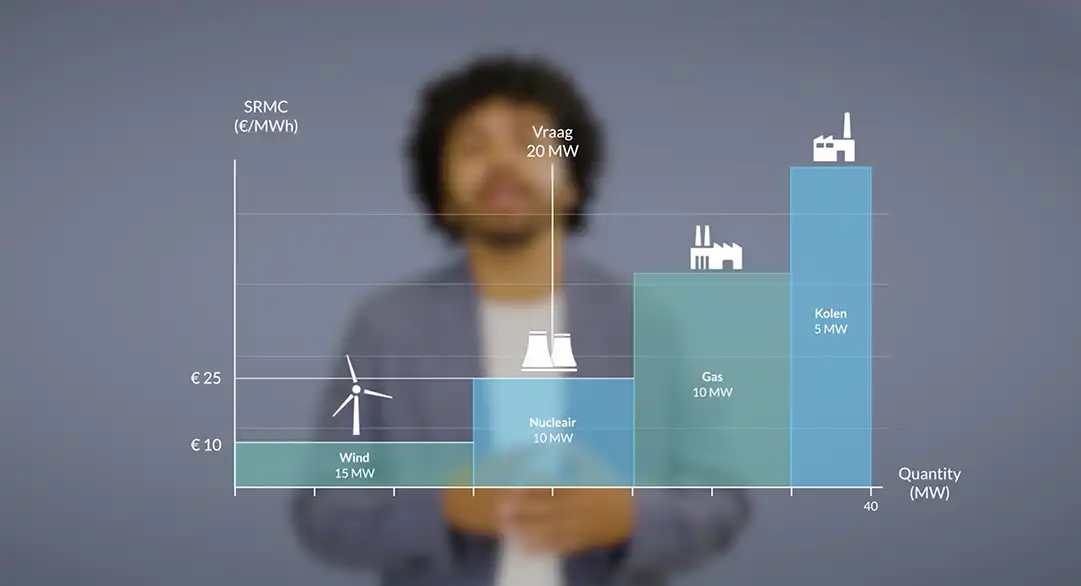
An animation that shows how a wind farm at sea functions.
Instructional videos are generally not long; after all, they are not documentaries. The story is often told in 30 seconds to 3 minutes. An instructional video covers one topic.
Do instructional videos work better than text?
Actually, it's quite simple: a picture is worth a thousand words. Why this blog consists of text, however, is a fair question, which we would prefer to avoid.
The power of video is the so-called multimodality. People see and hear what they need to do. You can compare it to assembling a wardrobe or a bunk bed. No matter how well they have done at IKEA with their instruction booklet, a video on YouTube provides you with a faster assembly and a lot less frustration.
A visual instruction is, especially for specific actions, much easier to follow and thus many times more effective. Instructional videos have the following advantages:
Higher retention: users remember more of what they see in a video than when they read instructions.
Fewer interpretative errors: visuals leave less room for misunderstandings than text. Perhaps an unexpected comparison, but you misinterpret a text message faster than the same remark you hear face-to-face.
Lower support pressure: users can solve problems independently.
Consistent explanation: every user receives exactly the same explanation and the explanation is also available 24/7.
What is an instructional video exactly?
Before we begin, let's focus on the term ‘instructional video’. This is a short, visual explanation of a subject, for example, how an action is performed, a problem is solved, or a functionality is utilized.
Here are concrete examples of instructional videos:
A video that shows how to install a carbon monoxide detector.
A screen recording that explains how to set up software.
An animation that shows how an offshore wind farm operates.
Instructional videos are generally not long, they are not documentaries after all. Often the story is told in 30 seconds to 3 minutes. An instructional video covers one topic.
Do instructional videos work better than text?
Actually, it’s quite simple: a picture is worth a thousand words. Why this blog consists of text is a valid question, which we would rather avoid.
The power of video is the so-called multimodality. People see and hear what they need to do. You can compare it to assembling a cabinet or bunk bed. No matter how well IKEA has done with the instruction booklet, a video on YouTube provides a quicker assembly and a lot less frustration.
A visual instruction is, especially for specific actions, much easier to follow and thus much more effective. Instructional videos have the following advantages:
Higher retention: users remember more of what they see in a video than when they read an instruction.
Fewer interpretation errors: visuals leave less room for misunderstandings than text. Perhaps an unexpected comparison, but you interpret a message incorrectly faster than the same remark you hear face-to-face.
Lower support pressure: users can solve problems independently.
Consistent explanation: every user receives exactly the same explanation, and the explanation is also available 24/7.
Instruction Videos in E-Learning
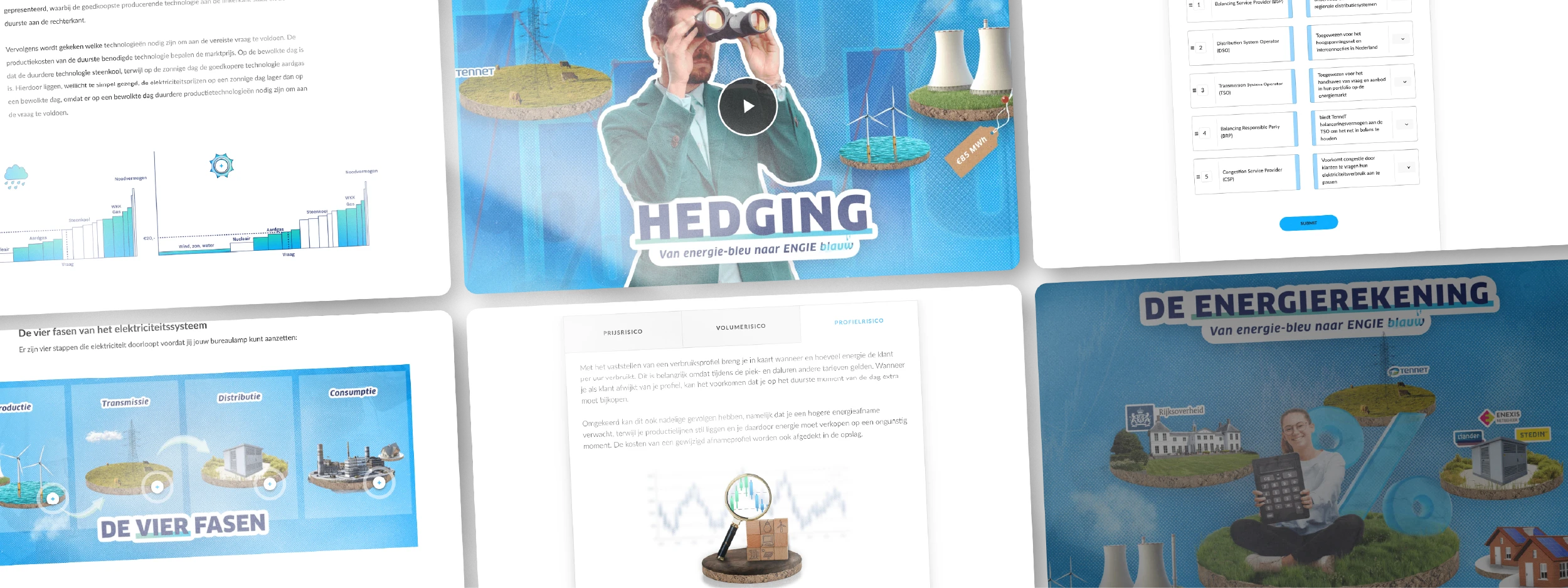
In e-learning, instructional videos are often used to make abstract concepts tangible or to visually explain practical actions. The same applies as in the previously mentioned examples: by explaining topics visually, the message comes across clearly.
Instruction Videos in E-Learnings
In e-learnings, instruction videos are often used to make abstract concepts tangible or to visually explain practical actions. The same applies here as in the previously mentioned examples: by explaining subjects visually, the message is communicated clearly.
Example: e-learning
There are different forms of e-learnings, such as onboarding for new employees and training programs. In both cases, instructional videos are indispensable, partly to convey the information better, but also for the simple reason that the e-learning becomes much more attractive, thereby achieving its goal more quickly.
In an onboarding, you can easily explain certain work processes visually. You show an employee (or an actor) explaining on screen how to, just to name an example, submit a vacation request. This can also be well explained textually, but a visual explanation sticks much better and is clearer, especially if you make it an interactive video where you challenge the viewer to make a leave request. The result is that there are fewer questions about, in this case, a leave request.
In training videos, instructional videos are at least as important. A training program is logically intended to teach the learner what is necessary. The combination of text and image – and the right balance between these two – results in an attractive and challenging module and above all, the desired effect.
Example: e-learning
There are different forms of e-learnings, such as onboarding for new employees and training courses. In both cases, instructional videos are essential, partly to convey the information better, but also for the simple reason that the e-learning becomes much more attractive because of it, and thus achieves its goal faster.
In an onboarding, you can easily explain certain work processes visually. You show an employee (or an actor) in the frame explaining how to, just to name an example, make a vacation request. This can also be explained well textually, but a visual explanation sticks much better and is clearer, especially if you make it into an interactive video, in which you challenge the viewer to make a leave request. This results in fewer questions regarding, in this case, a leave request.
In training videos, instructional videos are at least as important. A training course is logically intended to provide the participant with the necessary knowledge. The combination of text and image – and the right ratio between these two – ensures an attractive and challenging module and, above all, the intended effect.

Example: instruction video training
An instruction video is often introduced in the form of a few sentences of text. Otherwise, the video may seem to come out of nowhere, unless the intention is to surprise the viewer, but then we are getting too deep into the form. Generally, the video is announced.
In a short video, the correct procedure is shown. Examples include how to use a pallet truck, what to pay attention to when operating a forklift, or how to perform CPR. An instruction on CPR sticks much better if you see what needs to be done. An additional advantage of an instruction video is that it is viewed again more quickly than a textual explanation.
Example: instructional video training
An instructional video is often announced in the form of a few sentences of text. Otherwise, the video would come out of nowhere, unless the intention is to surprise the viewer, but then we delve too deeply into the form. Generally, it is also the case that the video is announced.
In a short video, the correct procedure is demonstrated. Examples include how to use a pallet truck, what to pay attention to when operating a forklift, or how to perform CPR. An instruction on CPR sticks much better if you see what needs to be done. An additional advantage of an instructional video is that it is rewatched more quickly than a textual explanation.
How do you create effective instructional videos?
There are many paths that lead to Rome. In other words, there is more than one way to create an effective instructional video. The power lies in clarity. For instructional videos, the motto is: “less is more.” Focus on one clear message in a video. You shouldn’t explain how to use a pallet truck in the same video and then seamlessly transition to operating a forklift. If you want the message to come across clearly, make two separate videos.
Clarity also lies in what you show. Screen recordings and real-life demonstrations work perfectly. Subtitles can enhance the effect of the video, but this is partly a matter of taste. For some, subtitles can distract from the image. An English translation of a video spoken in Dutch (or vice versa) offers additional opportunities.
Despite the fact that videos are meant to provide extra clarity and thereby reduce support questions, it is important to keep a finger on the pulse. The goal remains to inform the reader and/or viewer as well as possible, and an oral explanation can be part of that.
How do you create effective instructional videos?
There are multiple paths that lead to Rome. In other words, there is more than one way to make an effective instructional video. The power lies in clarity. The motto for instructional videos is: 'less is more.' Focus on one clear message in a video. You shouldn't explain how a pallet jack is used and then seamlessly transition to the operation of a forklift in the same video. If you want the message to come across well, create two separate videos.
Clarity also lies in what you show. Screen recordings and real-life demonstrations work perfectly. Subtitles can enhance the effect of the video, but this is partly a matter of taste. For some, subtitles can distract from the visuals. An English translation of a video spoken in Dutch (or vice versa) does offer additional opportunities.
Despite the fact that videos are meant to provide extra clarity and consequently reduce support queries, keep a finger on the pulse. The goal remains to inform the reader and/or viewer as well as possible, and an oral explanation can be part of that.
Conclusion: good instructional videos contribute to fewer support requests
A good instructional video is a benefit to everyone: the target audience, customers, colleagues, or anyone interested, but also to yourself. By explaining things in short videos, you prevent everyone from being left with questions. Texts can leave room for interpretation, whereas a visual instruction does not have this problem.
Curious about what a good instructional video looks like? We have selected two for you.
Conclusion: good instructional videos contribute to fewer support requests
With the right instructional video, you do everyone a favor. The target audience, customer, colleague, or interested party, but just as well yourself. By explaining things in short videos, you prevent everyone from being left with questions. Texts can leave room for interpretation; a visual instruction does not have this problem.
Curious about what a good instructional video looks like? We have selected two for you.
Condoor
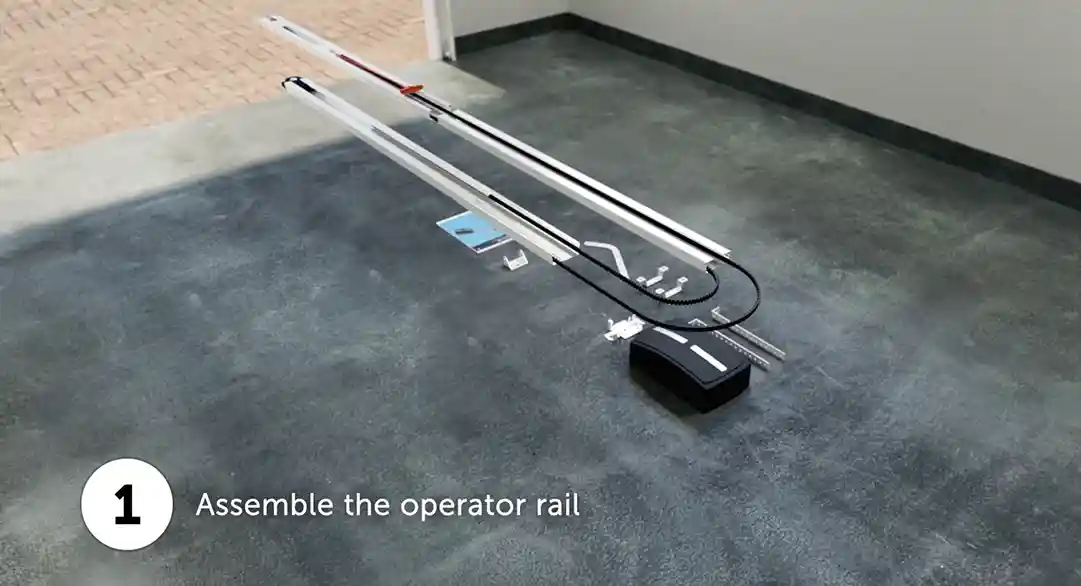
How do you install the Condoor Select-Line? This assembly guide provides you with a step-by-step explanation.
Condoor
How do you install the Condoor Select-Line? This assembly guide provides you with a step-by-step explanation.
Condoor
How do you install the Condoor Select-Line? This assembly guide provides you with a step-by-step explanation.
About the author
Monique studied illustration and then completed a master's in fine arts. At Indall, she works as a creative, specializing in graphic design. She develops concepts and infographics, among other things, to make technical content practically understandable.
Monique van der Wal
creative

About the author
Monique studied illustration and then completed a master's in fine arts. At Indall, she works as a creative, specializing in graphic design. She develops concepts and infographics, among other things, to make technical content practically understandable.
Monique van der Wal
creative
About the author
Monique studied illustration and then completed a master's in fine arts. At Indall, she works as a creative, specializing in graphic design. She develops concepts and infographics, among other things, to make technical content practically understandable.
Monique van der Wal
founder