Addicted to learning? The power of gamification!

Author

Monique van der Wal

Date

January 12, 2025

Reading time

5 min.

Gaming addiction occurs much more frequently than study addiction. Nevertheless, the latter is on the horizon if gamification is applied correctly. Traditional learning methods certainly still exist, but they are under pressure, partly because there are increasingly more distractions, but also because people want to be challenged. And that is precisely what gamification does. This is a positive kind of addiction.


What is gamification exactly?

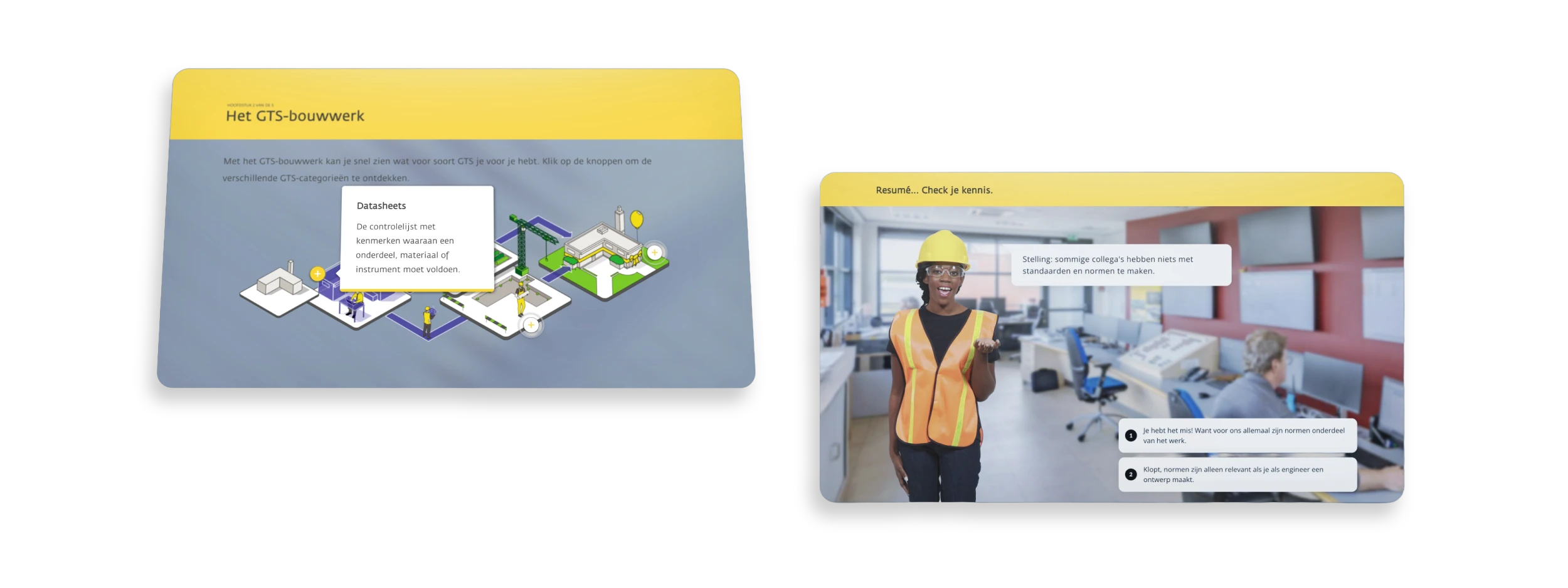
Gamification is something different from a real computer or board game. It refers to game elements that have been added to a learning process or task, such as an e-learning. Gamification can take various forms. A simple example that you are undoubtedly familiar with is a progress bar that indicates how far along you are.


A leaderboard is another example of gamification, as are rewards and badges as recognition for achievements. Duolingo, often the best-known in the field of gamification, challenges you by working with different lives. If you make mistakes, you can lose lives.


These elements challenge our brain. Psychological principles are utilized, such as intrinsic motivation, rewards, and competition. For e-learnings, this means they become much more appealing and challenging.

What is gamification exactly?

Gamification is something different from a real computer or board game. It consists of game elements added to a learning process or task, such as an e-learning. Gamification can take many forms. A simple example that you undoubtedly know is a progress bar indicating how far you’ve come.


A leaderboard is another example of gamification, as well as rewards and badges as recognition for achievements. Duolingo, the most well-known in the field of gamification for many, challenges you by working with different lives. If you make mistakes, you can lose lives.


These elements challenge our brain. Psychological principles such as intrinsic motivation, rewards, and competition are utilized. For e-learnings, this means they become much more attractive and challenging.

Why does gamification work in learning?

Although it sounds a bit cliché to say that you keep learning your whole life, it is true that it is a long process. In the past, the opportunities were much smaller than they are now, because digital learning was still in its infancy. Nowadays, you can really continue to develop throughout your entire life, partly thanks to gamification.


Gamification fits perfectly with the current zeitgeist. An assignment is completed, and the learner immediately knows whether it has been done correctly. If so, a reward follows. By adding several game elements, it is no longer about 'having to learn,' but about 'wanting to learn.'


By providing goals and rewards (such as streaks), e-learnings and apps like Duolingo encourage consistent learning. Instead of studying for an hour once a week, you prefer to learn for 10 minutes every day. The repetitive effect works better for long-term memory.

Gamification and making mistakes

Making mistakes is part of it, especially when you are learning. It is not pleasant, but you only learn from it. In a game environment, making mistakes is an important part of the learning process and certainly not something to be ashamed of. You might lose a life, but then you can try again. This aspect makes it less daunting to make mistakes, increasing the enjoyment of learning.


Gamification also makes it easier to provide personalized learning paths. Through feedback from game behavior, an e-learning course can adapt to the level and preferences of an individual learner. Remember that everyone has a different learning pace. Thanks to gamification, e-learning remains challenging for learners of all levels.
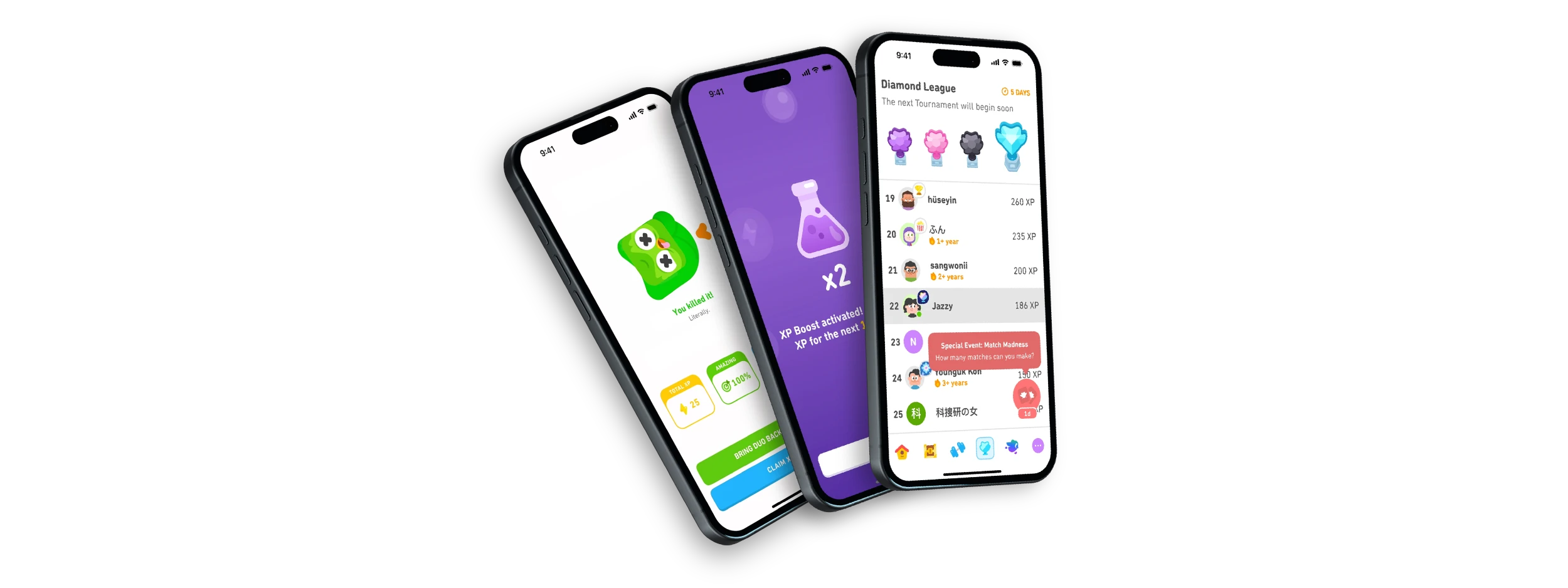
Duolingo: learn as a game

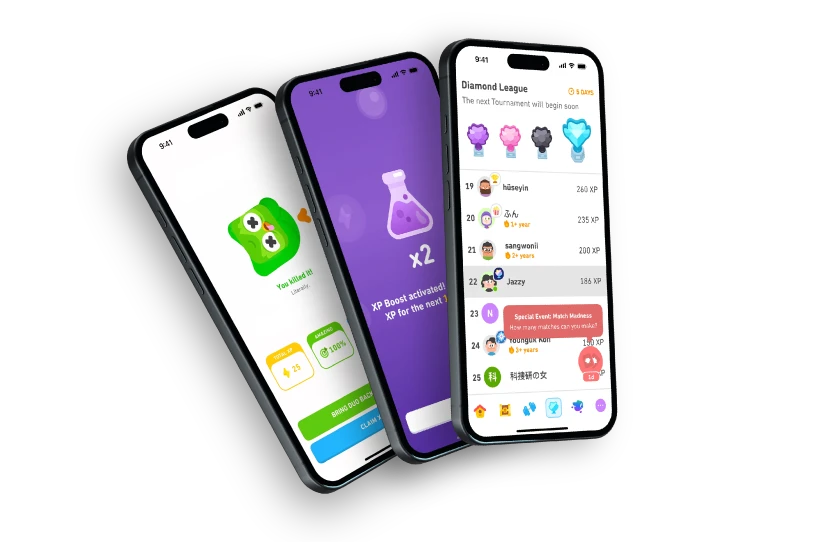
At the beginning of this blog, we briefly discussed Duolingo. This is one of the most successful examples of gamification. For those unfamiliar with it: Duolingo is a language app that has over 500 million users worldwide. The app makes learning accessible and enjoyable.


Each lesson is short and manageable. Everyone knows exactly what they need to do, and there is immediate feedback on the answers. For every completed exercise, experience points (XP) are earned. The more you learn, the higher your level becomes. This gives a strong sense of growth.

Streaks and daily goals

Duolingo challenges users to come back every day. If you do this, you maintain your so-called streak. Users become attached to learning through Duolingo, which leads to a positive addiction.


Gamification also lies in the competitive element. Through a leaderboard, users can measure themselves against others. A little competition is no bad thing and is a good incentive to push your limits. For special achievements, users receive badges, for example, for practicing for a week uninterrupted or for learning 100 new words.


It’s not all fun and games with Duolingo. When a user makes a mistake, they lose a life. When the lives are gone, they have to wait before the exercises can be repeated. This challenges learners to think carefully and work accurately.

Duolingo: learning as a game

At the beginning of this blog, we briefly talked about Duolingo. This is one of the most successful examples of gamification. For those who do not know it: Duolingo is a language app that has more than 500 million users worldwide. The app makes learning accessible and enjoyable.


Each lesson is short and manageable. Everyone knows exactly what they need to do, and there is immediate feedback on the answers. Experience points (XP) are earned for each completed exercise. The more one learns, the higher the level becomes. This gives a strong sense of growth.

Streaks and daily goals

Duolingo challenges users to return every day. If you do this, you maintain your so-called streak. Users become attached to learning through Duolingo, which leads to a positive addiction.


Gamification also includes the competition element. Through a leaderboard, users can compare themselves with others. A little competition can’t hurt and is a good incentive to push your boundaries. For special achievements, users receive badges, for example, for practicing without interruption for a week or for learning 100 new words.


It is not all fun with Duolingo. When making a mistake, the user loses a life. When lives are up, there is a wait before the exercises can be repeated. This challenges learners to think carefully and work accurately.


Gamification: enjoy, but in moderation

Gamification can be a powerful element in e-learning, provided it is applied thoughtfully. Poorly applied gamification can backfire. One might think of too much competition, causing users to drop out, or gamification that is solely used to make the e-learning visually appealing.


It is important to remember that conveying the learning material always comes first. We actually never use a streak ourselves, because you don't want users to feel obligated to engage for consecutive days. The goal of gamification is precisely to challenge students in a playful way.

Gamification: enjoy, but in moderation

Gamification can be a powerful element in e-learning, provided it is implemented thoughtfully. Poorly applied gamification can backfire. This can include too much competition, causing users to disengage, or gamification that is used solely to make the e-learning visually appealing.


It is important to remember that conveying the learning material always comes first. We actually never use a streak ourselves, because you don’t want users to feel obliged to engage for consecutive days. The goal of gamification is to challenge learners in a playful way.

This is how we apply gamification

In an e-learning gamification can be perfectly applied. It is already happening widely. There are hardly any e-learnings in which you don't see progress indicators, such as progress bars or levels. Optionally, rewards can be added, such as virtual points for a certain number of correct answers.


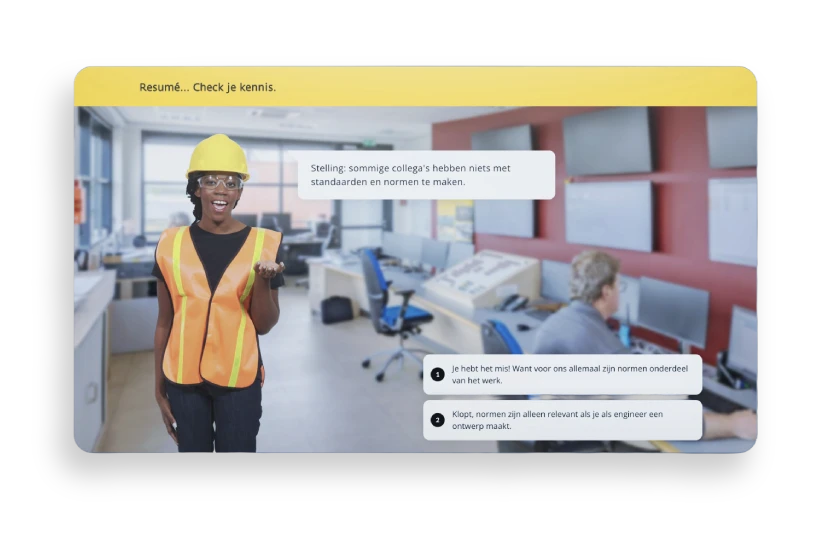
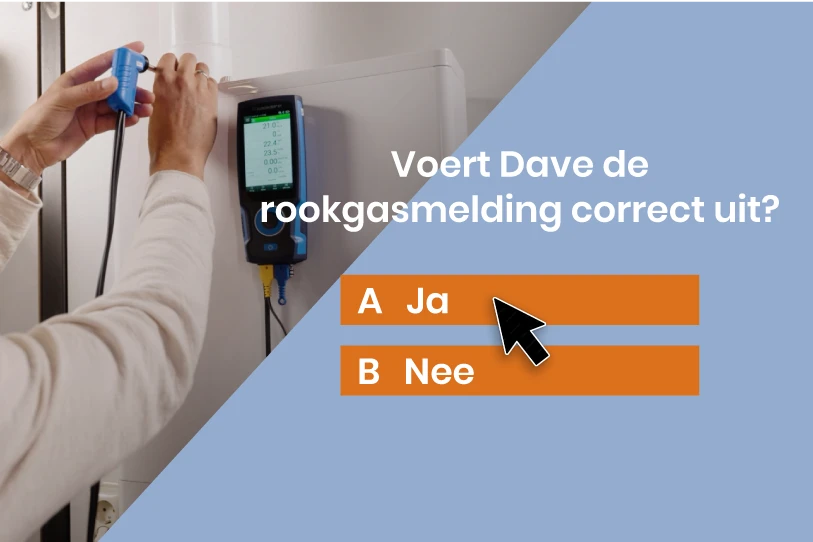
Immediate feedback on actions, mistakes, and successes is essential in e-learnings. This is the great strength compared to 'traditional' learning. Through gamification, you can provide feedback in an attractive way with a game element.


The competition element is an option. In groups, it often works well to have a leaderboard. Suppose a digital onboarding is followed in a group, then it is fun to see who has answered the most questions correctly or who has reached the correct answer the fastest. Link a virtual reward to it, and you have a fun element in the onboarding.


On to the addiction

Gamification is a powerful tool to make learning more attractive, effective, and motivating. Platforms like Duolingo prove that learning doesn't have to be boring or heavy, but can also be light, fun, and addictive. And the nice thing is that you don't have to go to a clinic to have your addiction treated.

How we apply gamification

In an e-learning gamification can be perfectly applied. This is already happening extensively. There are hardly any e-learnings where you do not see progress indicators, such as progress bars or levels. Rewards can be added, such as virtual points for a certain number of correct answers.


Immediate feedback on actions, mistakes, and successes is essential in e-learnings. This is the major strength compared to 'old-fashioned' learning. Through gamification, you can provide feedback in an engaging way through game elements.


The competitive element is an option. In groups, it often works well to have a leaderboard. For instance, if a digital onboarding is followed in a group, it’s fun to see who answered the most questions correctly or who reached the correct answer the fastest. Attach a virtual reward to it and you have a fun element in the onboarding.


Towards addiction

Gamification is a powerful tool to make learning more attractive, effective, and motivating. Platforms like Duolingo prove that learning doesn’t have to be boring or tough but can also be light, fun, and addictive. And the nice thing is that you don’t have to go to a clinic to have your addiction treated.

About the author

Monique studied illustration and then completed a master's in fine arts. At Indall, she works as a creative, specializing in graphic design. She develops concepts and infographics, among other things, to make technical content practically understandable.

Monique van der Wal

creative

About the author

Monique studied illustration and then completed a master's in fine arts. At Indall, she works as a creative, specializing in graphic design. She develops concepts and infographics, among other things, to make technical content practically understandable.

Monique van der Wal

founder

About the author

Monique studied illustration and then completed a master's in fine arts. At Indall, she works as a creative, specializing in graphic design. She develops concepts and infographics, among other things, to make technical content practically understandable.

Monique van der Wal

creative