AI and confidentiality, does that go together?
Author
Remco Guijs

Date
July 17, 2025
Reading time
3 min.
‘Do you as a company also make use of AI?’ Unfortunately, we as a company do not keep a list of ‘most frequently mentioned customer comments’, but my feeling is that this would certainly be in the Top 3, between ‘could be done earlier, it’s urgent’ and ‘perfect as is, only our director still needs to take a look at it ’.
To return to the first question, we definitely use AI throughout the company. It brings structure and can excellently replace repetitive tasks. Just as Henry Ford realized a production increase of over 1500% in 6 years thanks to the assembly line, the proper use of AI can lead to enormous productivity gains. Think for example of transcribing recordings and automatic subtitles, to processing invoices. But what do you do with customer data?
‘Do you as a company also use AI?’ Unfortunately, we do not keep a list of ‘most frequently mentioned customer comments’, but my gut feeling says that this would definitely be in the Top 3, between ‘could have done it earlier, it feels urgent’ and ‘perfect as is, only our director still needs to take a look at it ’.
To return to the first question, we certainly use AI throughout the company. It brings structure and can excellently replace repetitive tasks. Just as Henry Ford achieved an increase in production of over 1500% in 6 years thanks to the assembly line, the proper application of AI can lead to enormous productivity gains. For instance, think about transcribing recordings and automatic subtitling, up to processing invoices. But what do you do with customer data?
Trust comes on foot and departs on horseback.
Many of the projects we carry out for our clients involve confidential information. From documenting internal information and pitch videos for investors, to projects that, for example, relate to the security of the Netherlands' network. It is no coincidence that we almost always work under an NDA and we also ask this of all our employees, interns, and freelancers. Carefulness is key here, as that is the way to build and maintain trust.
Many of the projects we undertake for our clients involve confidential information. From documenting internal information and pitch videos for investors, to projects that, for example, affect the energy security of the Netherlands. It is no coincidence that we almost always work under NDA, and we require this from all our employees, interns, and freelancers. Carefulness is key here, as this is the way to build and maintain trust.
The black box of training models
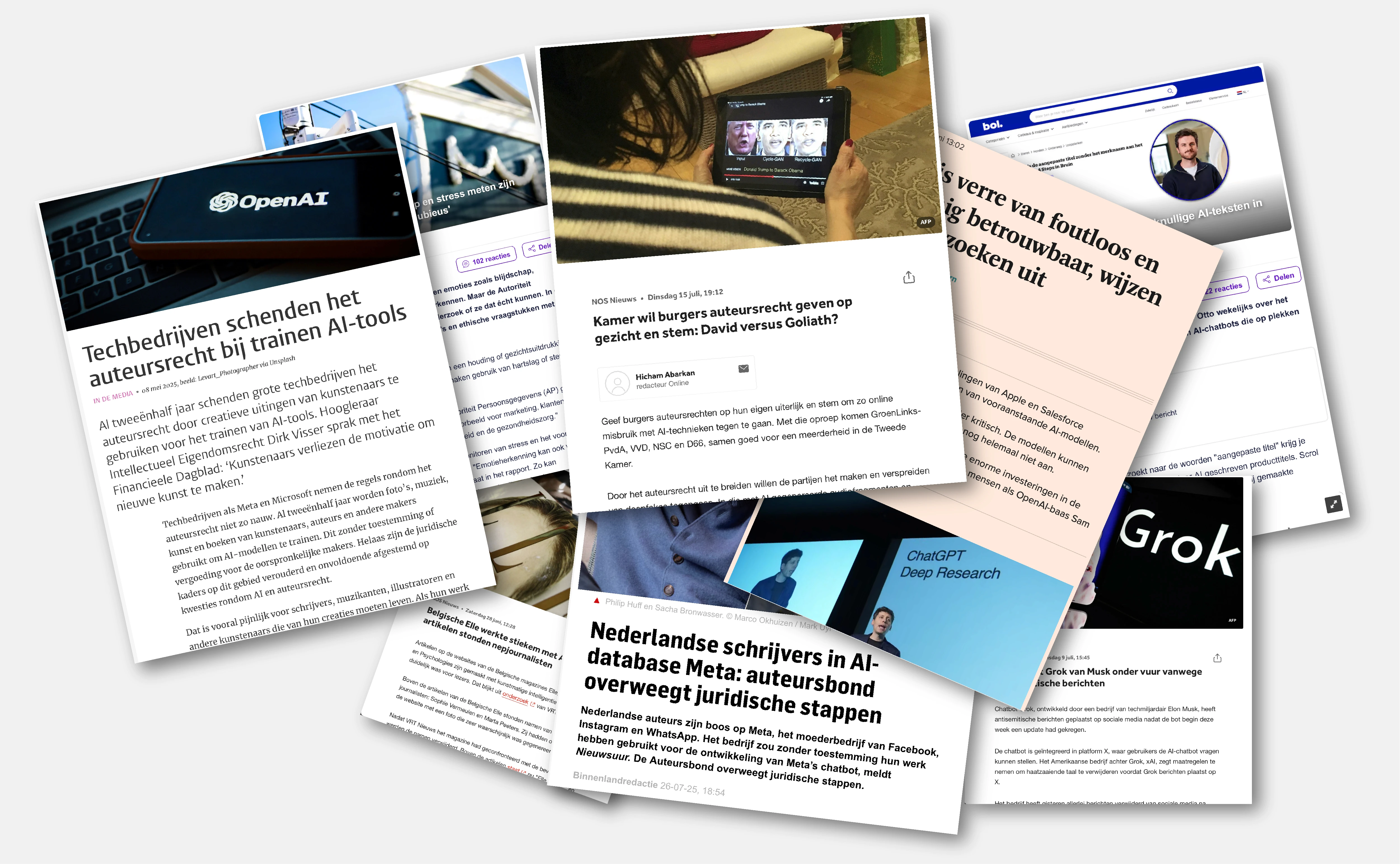
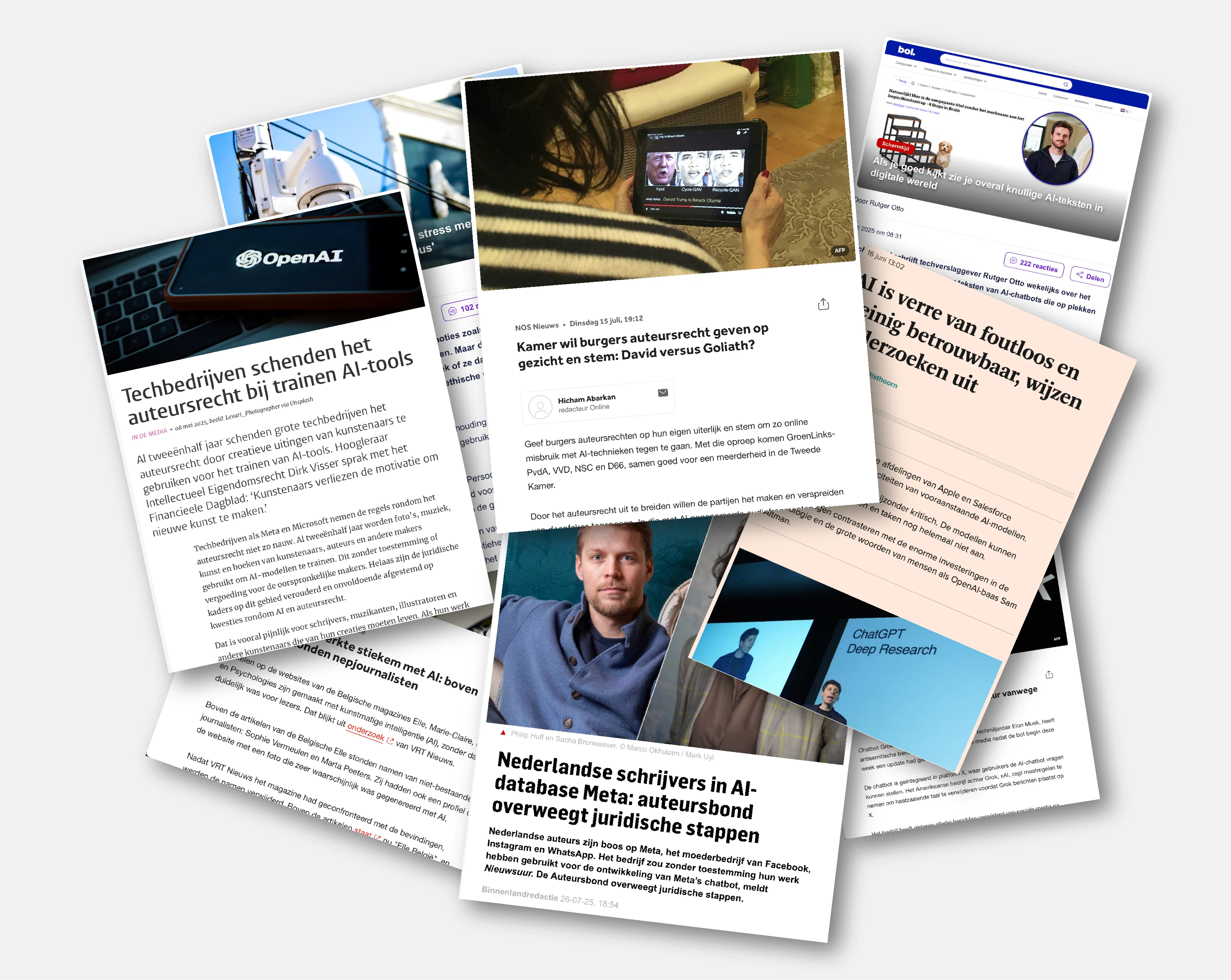
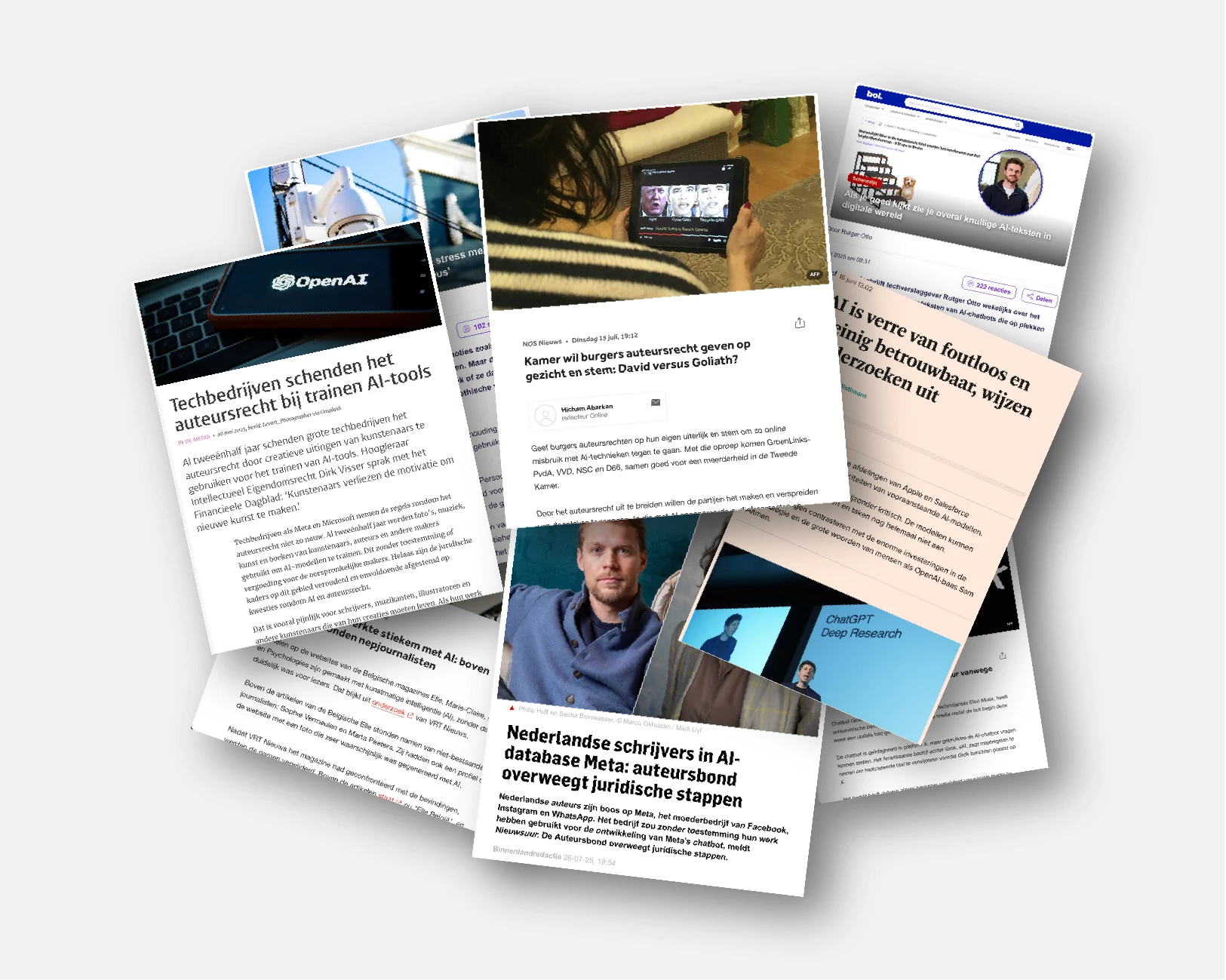
AI has taken a huge leap in the last few years, along with the discussion surrounding it. For how much are copyright laws being violated? And where is the line between inspiration and plagiarism? Equally interesting is the question of what happens to the information fed to AI as a user. After all, AI is about learning, developing itself, and this is reflected, for example, in its ability to recognize you as a user better and better. The input is thus processed in the models. The question is whether this (valuable) data is used exclusively for you, or whether other users benefit from it as well. Some platforms honestly admit this, while others often leave it hanging in the vagueness of the general terms and conditions.
The black box of training models
AI has taken a huge leap in the last few years, along with the discussion surrounding it. For how much have copyright violations occurred? And where is the line between inspiration and plagiarism? At least as interesting is the question of what happens to the information fed to AI as a user. After all, AI revolves around learning and developing, and this manifests, for example, in better recognizing you as a user. The input is thus processed in the models. The question is whether this (valuable) data is used exclusively for you, or whether other users benefit from it as well. Some platforms, by the way, are quite up front about this, while with others it often remains shrouded in the vagueness of the terms and conditions.
"Customer information is a no-go, but for spell checks, alternative sentences, and summarizing documents, it is ideal."
“Customer information is a no-go, but for spelling checks, alternative sentences, and summarizing documents it is ideal.”
Morality, Ethics, and Big Tech
In addition to the fact that AI is a vibrant world of energy-sucking chips, intriguing images, efficiency, and much discussion, there is also a fundamental question at stake. Can and should we leave something so powerful to the market, or should there be an independent party overseeing it? Topics such as morality, ethics, and profit quickly collide here. And if recent events have taught us anything, it is that opinions and beliefs can change rapidly, just like the (political) winds. For instance, there is the interesting debate over whether OpenAI (best known for ChatGPT) should be a foundation or a commercial entity. And can you really trust American Big Tech in the current geopolitical climate?
Morality, Ethics, and Big Tech
Besides the fact that AI is a vibrant world of energy-hungry chips, intriguing images, efficiency, and much debate, there also lies a fundamental issue. Can we and do we want to leave something so powerful to the market, or should there be an independent party that oversees it? Topics like morality, ethics, and profit quickly clash here. And if there is something recent events have taught us, it is that opinions and beliefs can change rapidly, just like the (political) winds shift. There is the interesting debate over whether OpenAI (mainly known for ChatGPT) should be a foundation or a commercial entity. And can you really trust American Big Tech in the current geopolitical climate?
Statistics vs. sources
At its core, all artificial intelligence works based on statistics. Based on vast amounts of data, smart algorithms, and substantial computing power, patterns are recognized by the algorithm. When a result is generated, it is based on probability and statistics. In other words, the model looks at what is most likely the appropriate response. The risk is that exceptions or nuances may be lost in the mass and statistics. Also, much data is outdated, and it is nearly impossible to trace what the source is. Given the fact that certain information is sought, it means that the person is not an expert in that field, and thus must rely on the results. If it is not clear what the source is, this check and validation only becomes more challenging.
What does this mean in practice for us?
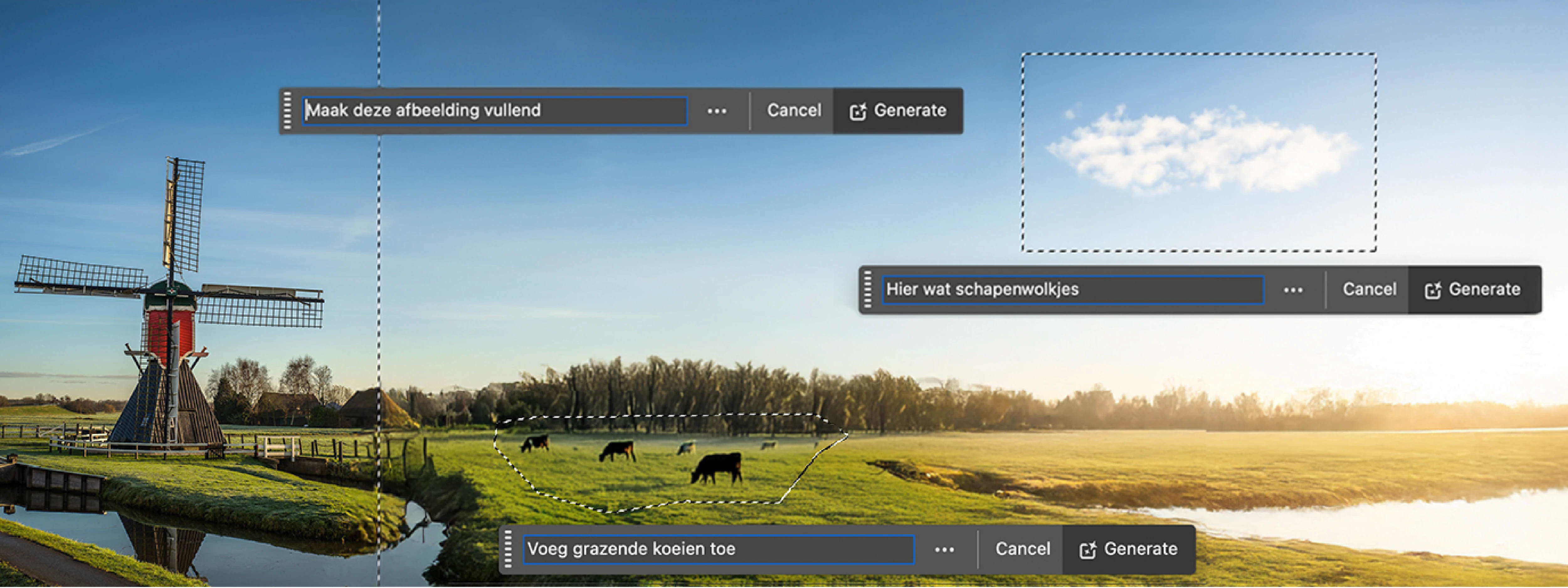
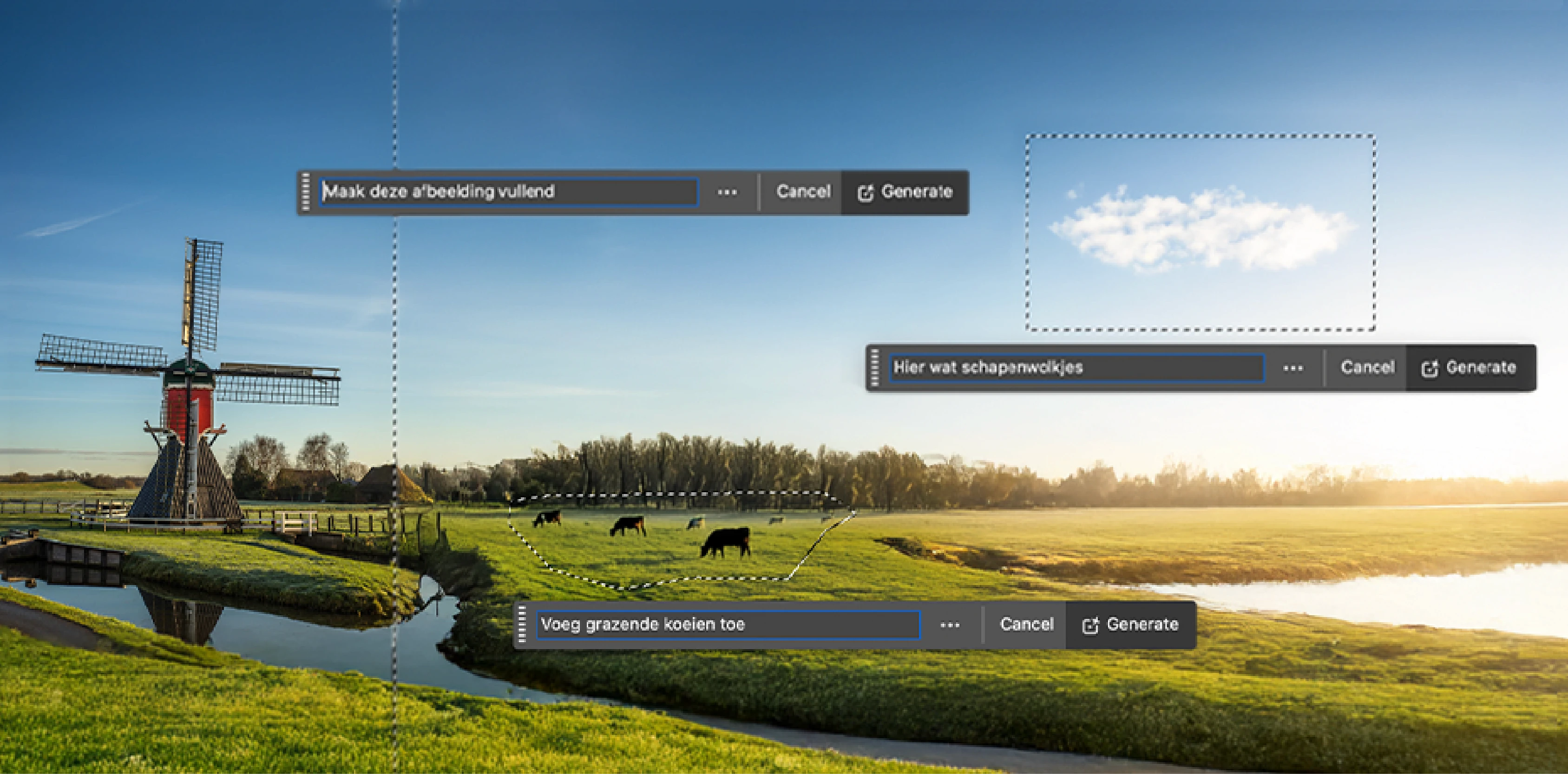
And now the burning question, what does this mean for daily operations? Customer information is a no-go, but for spell checks, alternative sentences, and summarizing, for example, tender documents, it is ideal. And this concerns only the textual processing. Within creative software like Illustrator and Premiere Pro, we heavily utilize automatic text recognition, generative fills, and other digital innovations. A question that still lingers internally is sustainability. As a company, we want to contribute to a greener world, both through the clients we work for and in our own operations. AI doesn’t seem to fully align with that. On the other hand, we also want to embrace innovation and keep up with the pace of the times. As you can understand, the last word on this has not yet been said/written.
Statistics vs. sources
At its core, all artificial intelligence works based on statistics. Based on vast amounts of data, smart algorithms, and significant computing power, algorithms recognize patterns. When a result is then generated, it is based on probability and statistics. In other words, the model looks at what is likely to be the most appropriate answer. The risk is that exceptions or nuances are lost in the data and statistics. Also, much of the data is outdated, making it nearly impossible to trace the source. Given that certain information is being sought, it means that the person is not an expert in that area and therefore has to rely on the results. If it is not clear what the source is, this check and validation become even more challenging.
What does this mean in practice for us?
And now the burning question, what does this mean for daily operations? Customer information is a no-go, but for spell checks, alternative sentences, and summarizing, for example, tender documents, it is ideal. And that concerns only textual processing. Within creative software like Illustrator and Premiere Pro, we make extensive use of automatic text recognition, generative fills, and other digital cleverness. One question that still lingers internally is sustainability. As a company, we want to contribute to a greener world, both through the clients we work for and in our own operations. AI doesn't seem to match completely with that. On the other hand, we also want to embrace innovation and keep up with the pace of the times. As you can already understand, the final word on this has not yet been said/written.
About the author
Remco Guijs MSc combines expertise in both marketing and engineering, enabling him to translate complex technical information into powerful and effective visual concepts.
Curious about how visual communication can strengthen your business?
Remco Guijs
founder

About the author
Remco Guijs MSc combines expertise in both marketing and engineering, enabling him to translate complex technical information into powerful and effective visual concepts.
Curious about how visual communication can strengthen your business?
Remco Guijs
founder
About the author
Remco Guijs MSc combines expertise in both marketing and engineering, enabling him to translate complex technical information into powerful and effective visual concepts.
Curious about how visual communication can strengthen your business?
Remco Guijs
founder